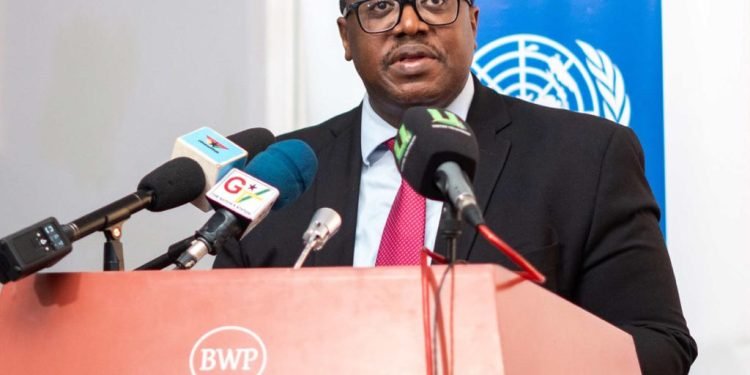
Dr. Kojo Asante, Director of Policy Advocacy and Engagement at CDD-Ghana, has sharply criticised a Private Members’ Bill seeking to repeal the Office of the Special Prosecutor (OSP) Act, 2017 (Act 959), describing the attempt as a betrayal of public trust.
The bill, sponsored by Majority Leader Mahama Ayariga and Majority Chief Whip Rockson-Nelson Dafeamekpor, proposes returning full prosecutorial powers over corruption cases to the Attorney-General, consistent with Article 88 of the Constitution
According to the memorandum accompanying the bill, the OSP’s eight years of operation have revealed structural and constitutional challenges such as duplication of functions, institutional friction, jurisdictional overlap, and delays in criminal justice processes.
Reacting on Facebook on Thursday, December 11, 2025, Dr. Asante said he was both shocked and angered by the move.
First thing on my mind today, December 11, 2025. If the NDC majority pushes this bill through Parliament, it will be the greatest betrayal of trust. I am shocked and very angry,” he wrote.
He continued: “This is not what was promised to Ghanaians in the fight against corruption. Ghanaians do not want this, so who are the MPs representing… themselves? Is that what the large majority in Parliament is going to be used for? Ghanaians must let all the MPs know on their socials that they represent us and not themselves.”
Dr. Asante also questioned the urgency behind the repeal effort, arguing that the constitutional review process offers the appropriate platform for citizens to shape the country’s anti-corruption framework.
“Now I am convinced more than ever that we need an independent prosecutor for corruption matters. The fact that politicians on all sides have come out to support repeal, while the rest of society wants to keep the OSP, tells the story,” he stated.
He warned that scrapping the OSP could weaken the fight against corruption, adding: “The sad part is that with all the threats to the stability of our state and democracy coming from the looting of public resources and impunity, this is what we think we should do to aid the fight against corruption. We have a much bigger problem for the future of this country.”