Despite Ghana’s inflation slowdown to 3.8 percent, businesses and households are yet to feel meaningful relief from high borrowing costs – a gap that economist Professor Godfred Bokpin says is becoming increasingly difficult to justify.
He notes that while the Bank of Ghana cut the policy rate by 250 basis points to 15.5 percent, the spread between inflation and key interest rates remains unusually wide.
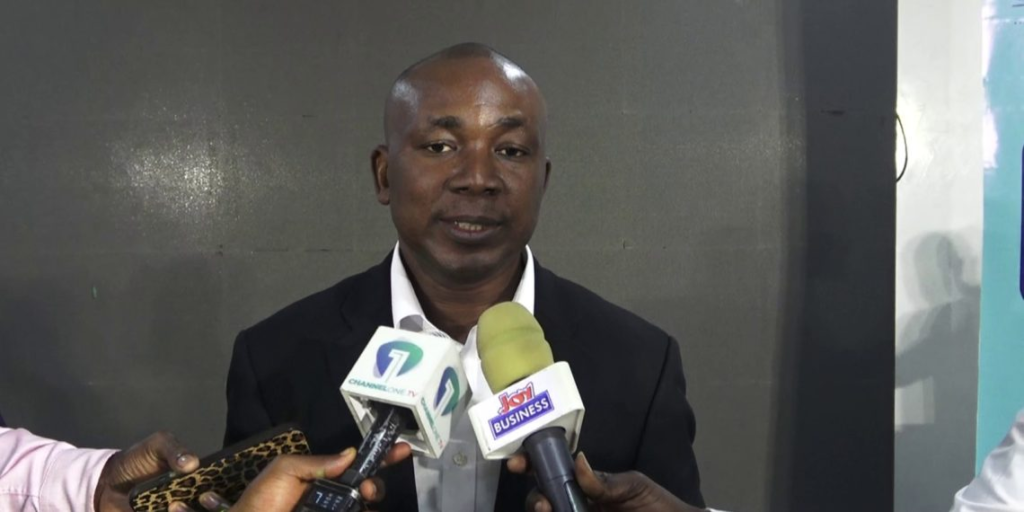
In an interview with Citi Business News, Prof. Bokpin questioned why lending conditions remain tight even as inflation has decelerated sharply.
“If you compare the policy rate at 15.5 percent with inflation at 3.8 percent, the real return is too wide and that is abnormal,” he said.
According to him, the slow pass-through of macroeconomic gains to borrowers suggests a reluctance to fully transmit disinflation benefits to the private sector.
He argues that interest rates, like inflation and exchange rates, are prices, and should adjust downward when macro conditions improve.
“Once inflation has come down significantly, other macro prices, policy rate, Ghana Reference Rate and lending rates must equally track down,” Prof. Bokpin stressed.
He warns that failure to narrow the gap could dampen private sector expansion, suppress credit demand, and ultimately weaken growth prospects especially at a time when Ghana needs investment-led recovery.
More importantly, he cautions that persistently high real interest rates risk undermining public confidence in official inflation figures.
“Otherwise, we may enter a zone where people begin to have suspicion about the inflation rate, and why other key macro rates are not responding,” he added.