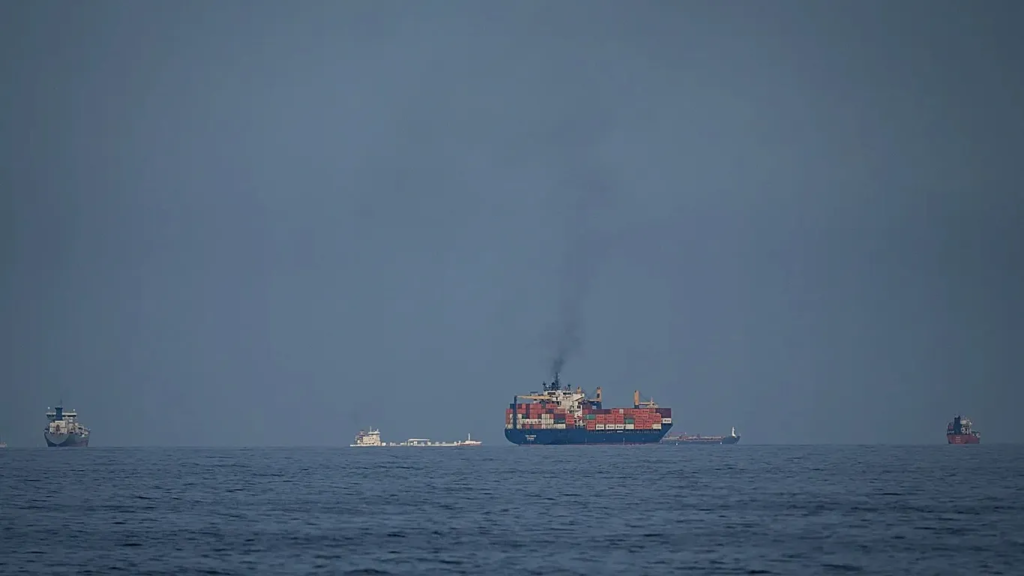
Lying between the Persian Gulf and the Gulf of Oman, the Strait of Hormuz is one of the most strategic and vital corridors for the transport of energy and has been effectively closed by Iran since the start of the war.
President Donald Trump said on Friday that the United States could “open” the Strait of Hormuz and “take the oil” if it has more time.
“With a little more time, we can easily OPEN THE HORMUZ STRAIT, TAKE THE OIL, & MAKE A FORTUNE. IT WOULD BE A ‘GUSHER’ FOR THE WORLD???” Trump posted.
The message, on his Truth Social platform, did not explain how the United States could end Iranian control over the Hormuz waterway or what oil Trump was referring to.
Lying between the Persian Gulf and the Gulf of Oman, the Strait of Hormuz is one of the most strategic and vital corridors for the transport of energy and has been effectively closed by Iran since the start of the war.
Its closure has rattled global markets, sent energy prices soaring and fuelled fears of supply shortages.

The Strait is also a key passage for fertilisers into Europe. In addition to handling oil and gas supply, around 13% of global fertiliser exports, according to the United Nations, also pass through the Gulf’s only access to the open ocean.
Trump has repeatedly railed against Western partners for not responding to his call to assemble a naval force to help reopen the crucial Strait of Hormuz, even saying in a newspaper interview on Wednesday he was considering withdrawing the US from NATO.
“I was never swayed by NATO. I always knew they were a paper tiger and Putin knows that too, by the way,” he told The Telegraph.
Biggest defence budget since World War II
Meanwhile, the White House sent a spending proposal to lawmakers on Friday calling for a massive $1.5 trillion (€1.3 trillion) defence budget next year as it faces increased costs due to the Iran war.
The total year-on-year increase in Pentagon spending would be the largest since World War II, US media reported, although presidential budgets are wish lists that have to be approved by Congress, rather than binding orders.
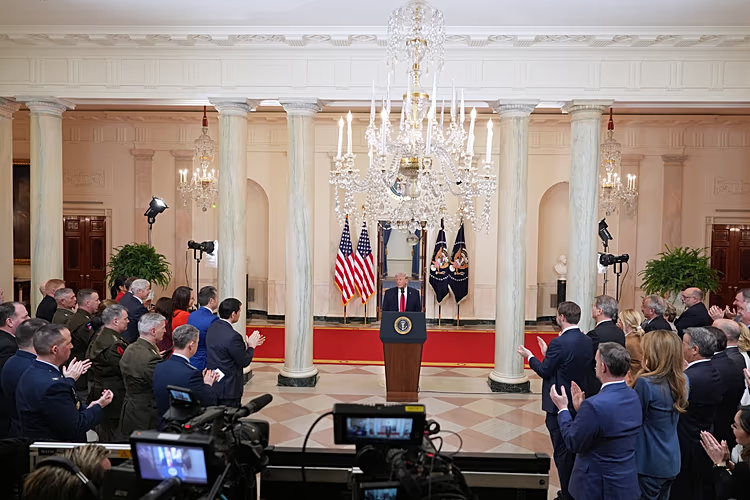
The budget builds upon the historic $1 trillion overall defence topline for 2026 and requests $1.5 trillion in total budgetary resources for 2027,” the document reads. “This is a $445 billion, or 42%, increase from the 2026 total resource level.”
The White House summary says Trump’s proposal would reduce non-defence spending by 10% by shifting some responsibilities to state and local governments.